Volcanic Shores Like Nowhere Else
Iceland's black sand beaches are among its most striking landscapes: jet-black volcanic shores
meeting the grey North Atlantic, framed by basalt columns, sea stacks, and — at one unforgettable
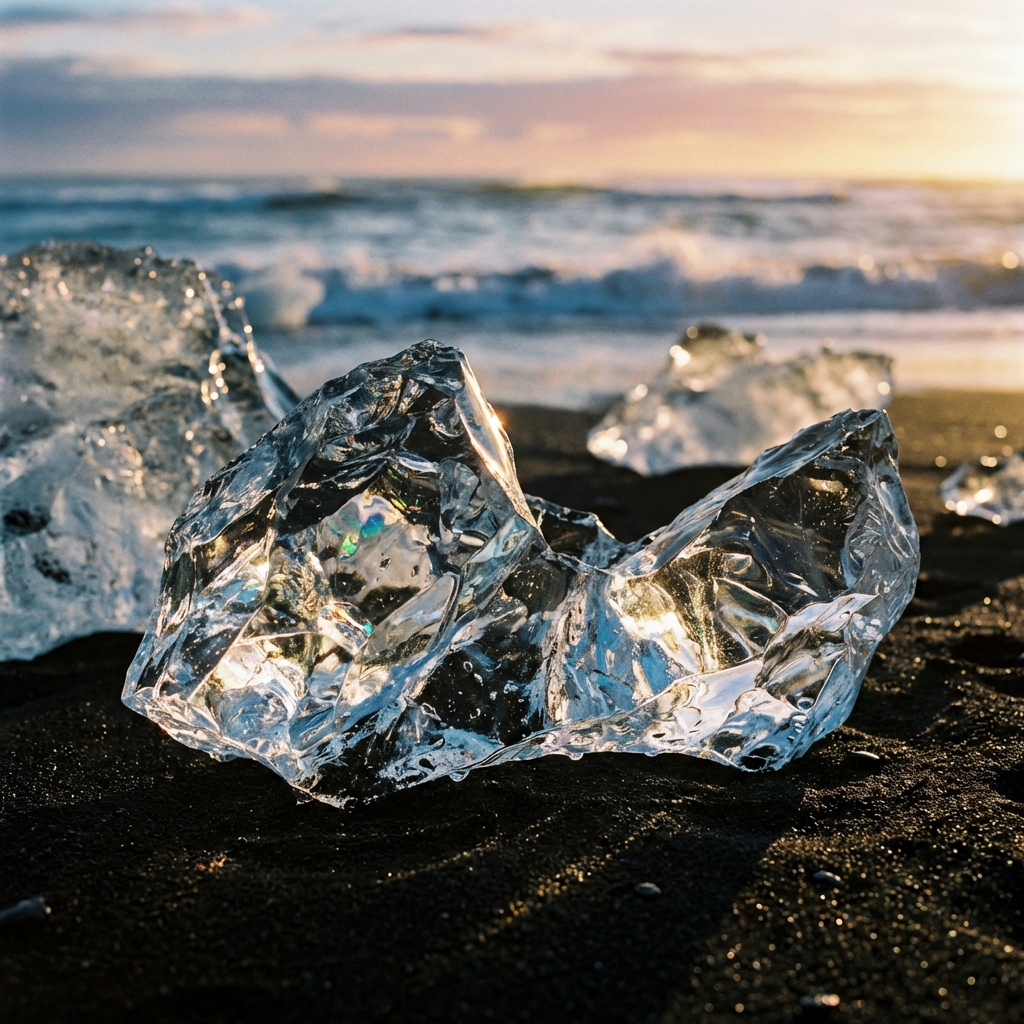
beach — stranded icebergs that sparkle like scattered diamonds. This guide covers the best black
sand beaches in Iceland, how they connect along the South Coast route to
Jökulsárlón, and the safety knowledge that can genuinely save your life
at some of them. Please read the safety section before you visit.
The classic black-beach day trip
Reykjavík: South Coast Waterfalls, Black Sand & Glacier Tour — Seljalandsfoss, Skógafoss, and Reynisfjara in one day. From $126 · ★ 4.76 (11,552 reviews) · Free cancellation.
More Experiences Along the Coast
The black beaches are only part of the story on this shoreline. Browse
South Coast day trips from Reykjavík past Seljalandsfoss and Skógafoss,
Jökulsárlón Glacier Lagoon boat tours beside Diamond Beach,
ice cave and super-jeep tours from Vík under the Katla volcano,
glacier hikes on Sólheimajökull, and Snæfellsnes Peninsula tours
that stop at Djúpalónssandur.
A Vital Safety Warning: Sneaker Waves
Before the highlights, the single most important thing to know. Several of Iceland's black beaches —
Reynisfjara above all — are genuinely dangerous. They are exposed to the open Atlantic, and they
produce sneaker waves: sudden surges that rush far higher up the beach than the
waves before them, with no warning. The water is around 6°C, the undertow is fierce, and people
have been swept in and killed.
Reynisfjara Has Claimed at Least Six Lives This Century
In August 2025, a nine-year-old girl visiting from Germany died after being swept from the area
near the Hálsanefshellir cave. Following that tragedy, access to the basalt columns and the
cave is now automatically closed when the beach's warning light turns red. In early 2026,
record winter storms caused unprecedented erosion at Reynisfjara and damaged the viewing
platform, so the shoreline and access can change — always check the current situation before
you go.
Reynisfjara uses a three-colour warning-light system — green, yellow, red —
indicating the danger level from the waves. Wherever you visit a black beach:
Never Turn Your Back
Watch the water at all times — sneaker waves arrive without warning, even on calm-looking
days.
Stay Well Back
Keep at least 20–30 metres from the waterline, and further in rough conditions. Never let
children run ahead toward the surf.
Obey the Lights and Signs
Follow the warning-light system and check safetravel.is for current conditions before you
travel.
The Best Black Sand Beaches in Iceland
1. Reynisfjara (near Vík)
The most famous black beach in Iceland, about 2.5 hours (187 km) from Reykjavík near the village of
Vík. Its jet-black sand is backed by the Garðar basalt columns — a natural
staircase of hexagonal stone that inspired the tower of Reykjavík's Hallgrímskirkja church — and
the Hálsanefshellir cave. Offshore rise the Reynisdrangar sea
stacks, which folklore says are trolls turned to stone by the rising sun. It is
spectacular, and it is dangerous: this is the beach where the sneaker-wave warnings above apply
most urgently. Admire the columns and stacks from a safe distance, and heed the warning lights.
2. Diamond Beach (at Jökulsárlón)
Iceland's most magical black beach, and the payoff at the end of the South Coast. Here, icebergs
that have calved from the glacier and drifted through the lagoon wash out to sea and back onto the
black sand, where they sit glittering like jewels. It is completely free to visit, sits directly
across Route 1 from the lagoon, and is at its most beautiful at sunrise and sunset when low light
glows through the ice. Read our full Diamond Beach guide
for parking, timing, and safety, and pair it with a
lagoon boat tour in season.
Reaches Diamond Beach
Reykjavik: Jokulsarlon Glacier Lagoon & Diamond Beach Tour
From $211 · 14 hours · ★ 4.68 (3,758 reviews) · Free cancellation
The full South Coast run in one guided day — waterfalls and Reynisfjara on the way out, then the
glacier lagoon and the icebergs of Diamond Beach at the far end.
3. Djúpalónssandur (Snæfellsnes Peninsula)
On the Snæfellsnes Peninsula, about 2 hours 50 minutes from Reykjavík, "the Black Lava Pearl Beach"
is famous for its smooth black pebbles and four lifting stones once used to test
the strength of fishermen: Fullsterkur (154 kg, "full strength"), Hálfsterkur (100 kg, "half
strength"), Hálfdrættingur (54 kg, "weakling"), and Amlóði (23 kg, "useless"). Rusted iron from a
1948 British shipwreck still lies scattered on the sand as a memorial. Sneaker waves occur here too
— keep back from the water.
4. Stokksnes and Vestrahorn (near Höfn)
Beyond Jökulsárlón in the southeast, the Stokksnes headland offers black sand beneath the jagged
peaks of Mt Vestrahorn (454 m). At low tide the wet sand mirrors the mountain for
one of Iceland's most photographed reflections. There is a small entry fee at the Viking Café,
which also maintains a Viking-village film set nearby. This makes a rewarding add-on if you
continue east past the lagoon.
5. Sólheimasandur (the DC-3 plane wreck)
On a vast black-sand plain about 23 km west of Vík lies the wreck of a US Navy Douglas
DC-3, which crash-landed in November 1973 (all crew survived). The stark white fuselage on
black sand is a cult photography spot. It is a flat but exposed 4 km walk each way
from the car park by Route 1, or you can take a shuttle. Dress warmly, allow around 1.5–2 hours on
foot, and check the weather — there is no shelter out on the sand.
6. Dyrhólaey and other stops
Near Reynisfjara, the Dyrhólaey promontory features a huge sea arch, a 1927
lighthouse, and puffins from May to September. For a gentle, family-friendly beach,
Ytri-Tunga on Snæfellsnes is known for its resident seals.
Frequently Asked Questions
Which is the best black sand beach in Iceland?
Reynisfjara is the most famous for its basalt columns and sea stacks, but
Diamond Beach at Jökulsárlón is the most magical,
thanks to the icebergs scattered across the sand. Many travellers visit both on the same South
Coast trip.
Is Reynisfjara safe to visit?
It is safe if you respect the danger. Reynisfjara has powerful, unpredictable sneaker waves that
have caused several deaths. Stay well back from the water, never turn your back on the ocean,
obey the warning lights, and keep children close. Check current conditions on safetravel.is
before you go, especially after the erosion of early 2026.
Why are Iceland's beaches black?
The sand is volcanic. Lava and basalt are ground down by glaciers and the sea into fine black
grains, giving these beaches their dramatic dark colour.
Can you swim at Iceland's black sand beaches?
No. The water is dangerously cold, the currents are strong, and sneaker waves make the surf
lethal. These beaches are for looking, photographing, and walking well back from the water —
not for swimming.