Boat & Ice Tours
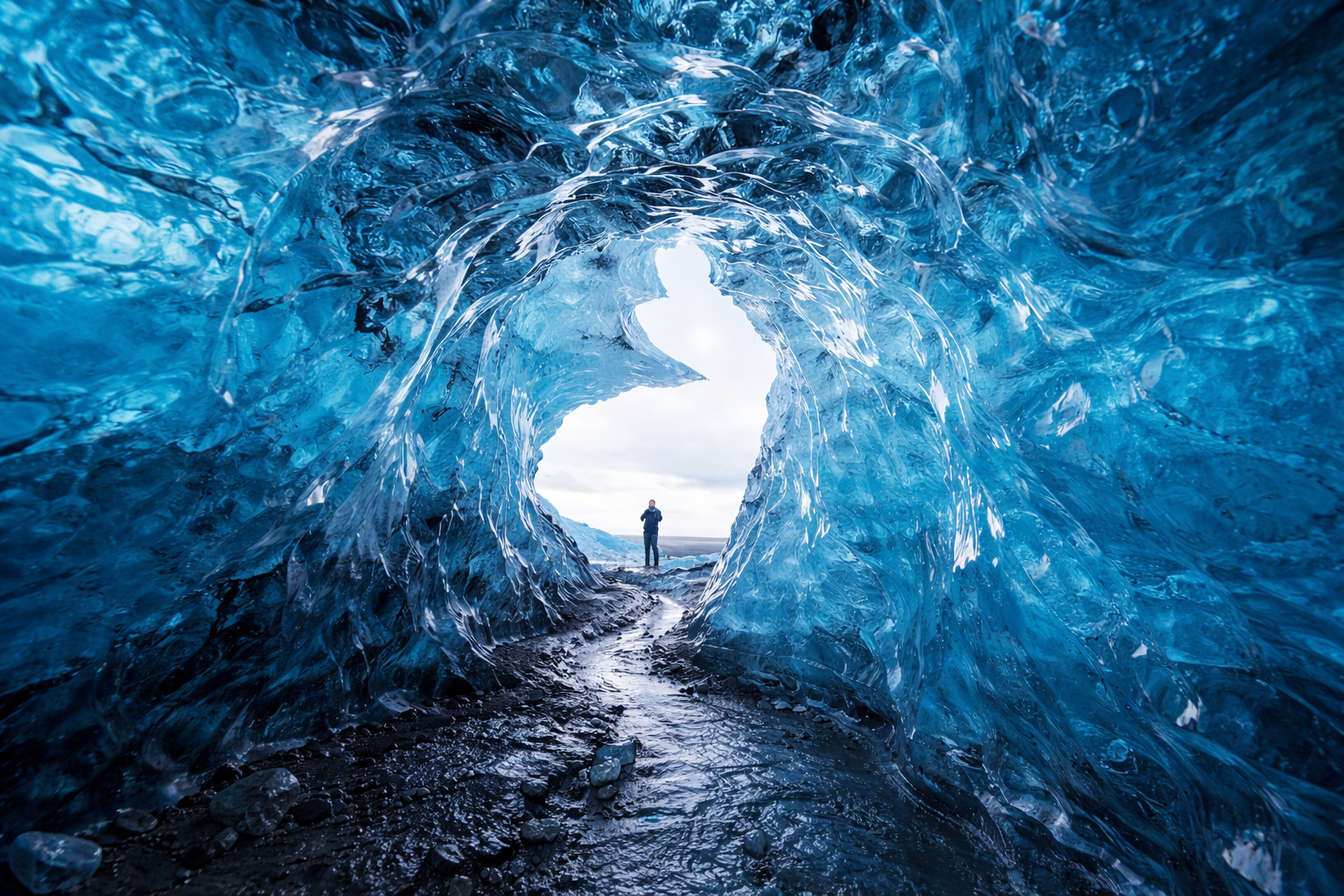
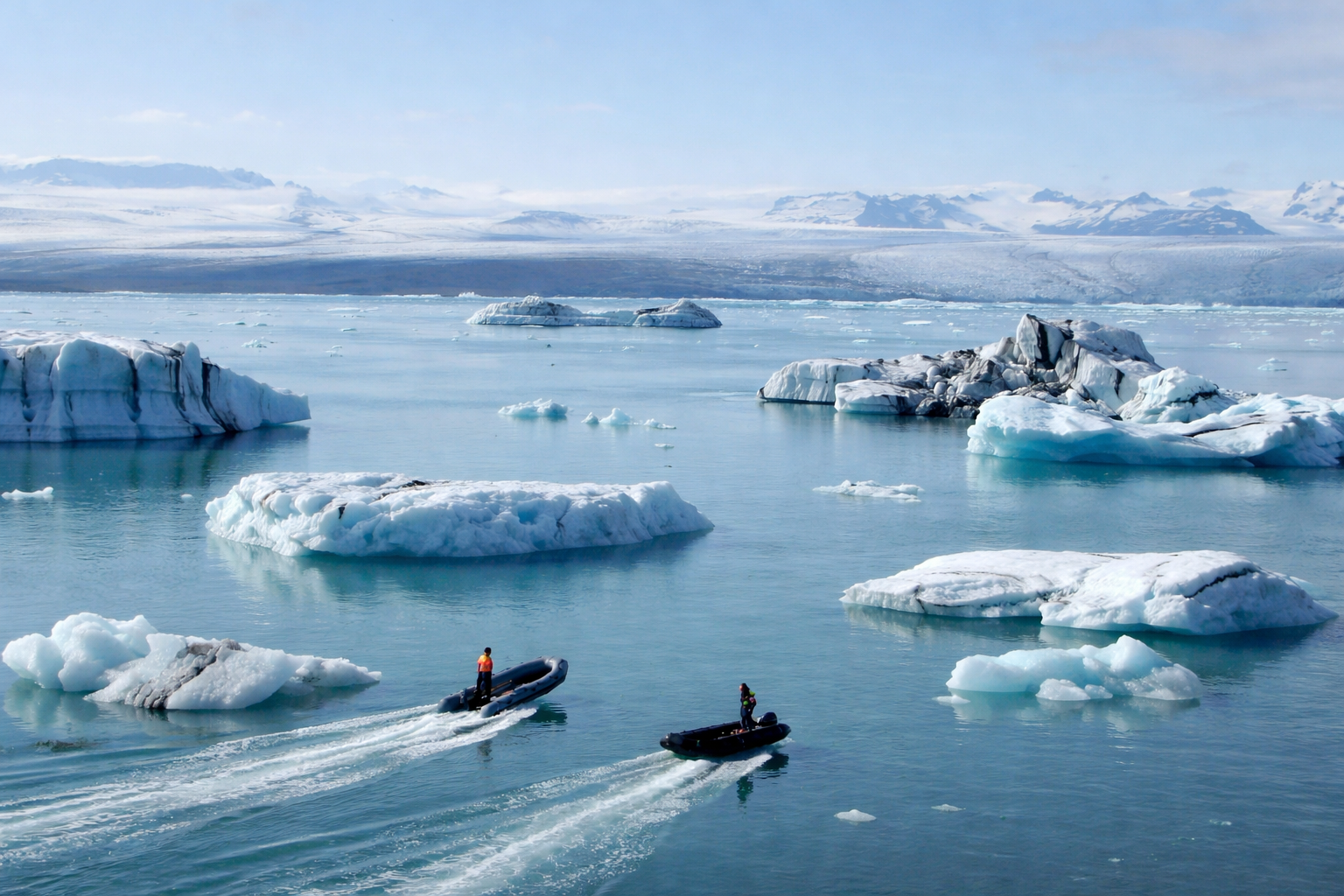
Experience the ice up close with jokulsarlon glacier lagoon tours. Choose from boats, kayaks, or winter ice caves.
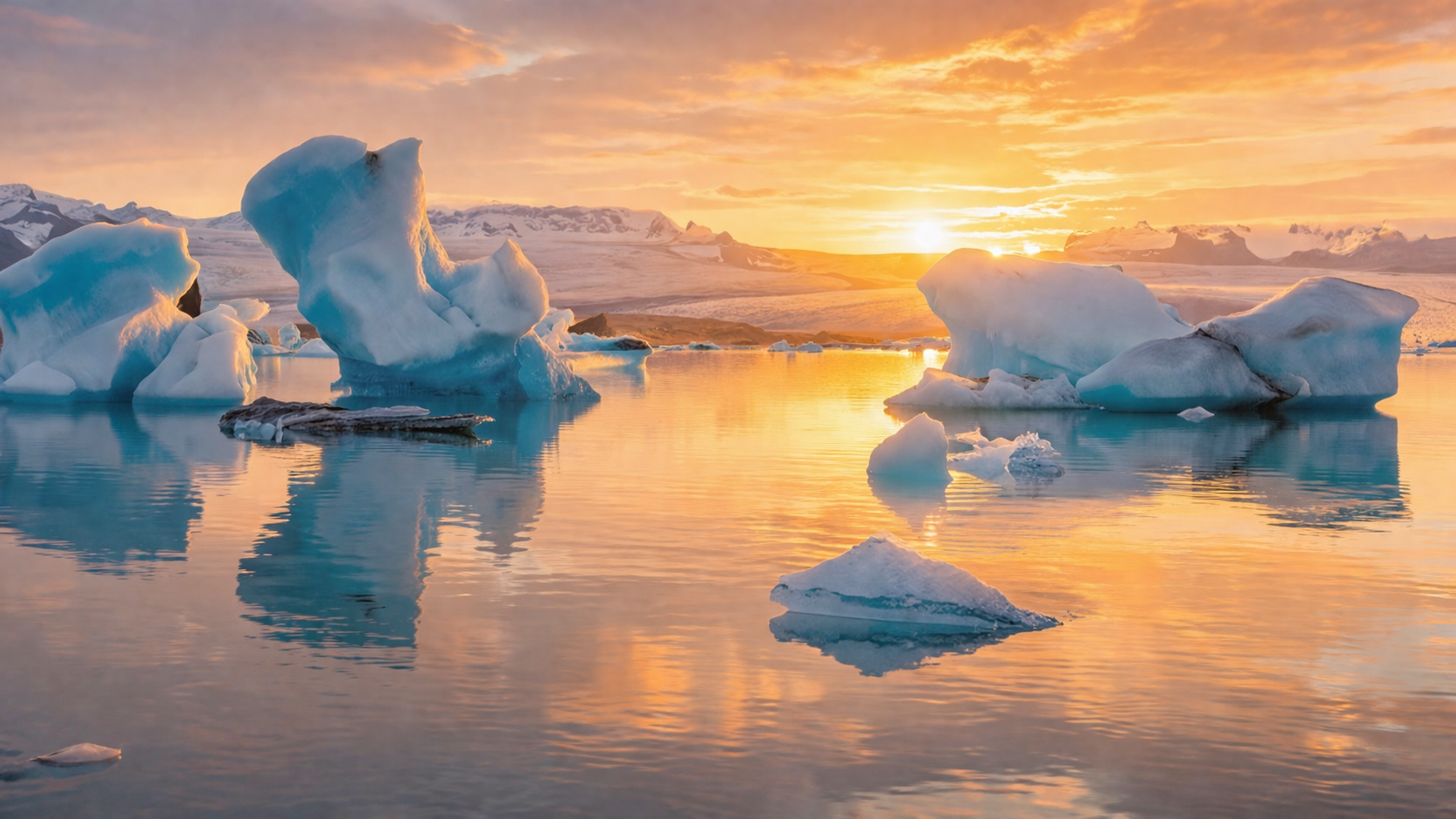
Compare All Tours →Witness a world of breathtaking beauty where giant icebergs break free from Europe’s largest glacier and drift silently towards the sea. Jökulsárlón is more than a destination; it’s an unforgettable encounter with the raw power of nature. You’ve come to the right place to plan the perfect adventure to Iceland’s most spectacular natural wonder.
Experience the ice up close with jokulsarlon glacier lagoon tours. Choose from boats, kayaks, or winter ice caves.
Compare All Tours →Is there a jokulsarlon glacier lagoon entrance fee in 2026? Find out about costs and what activities are free.
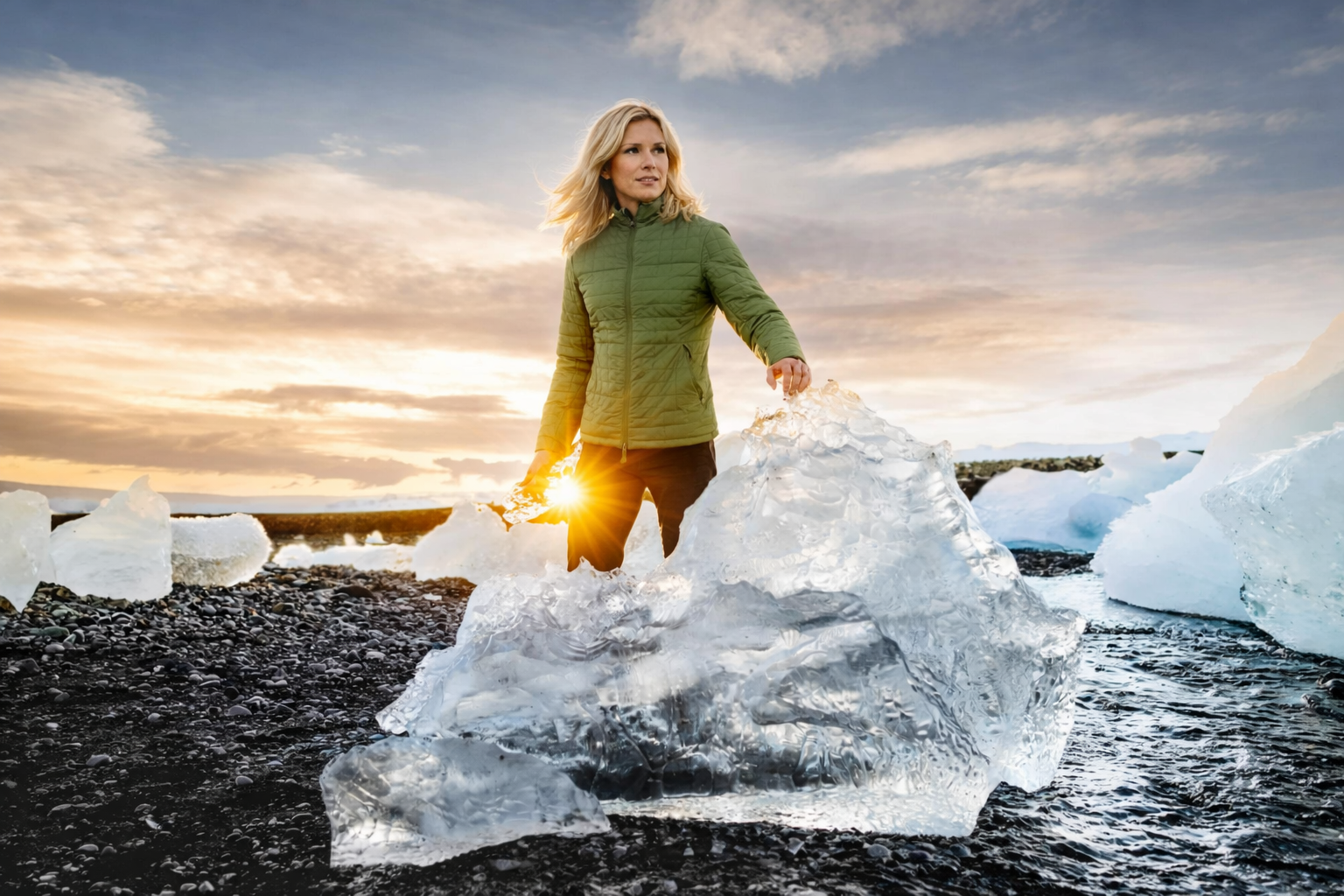
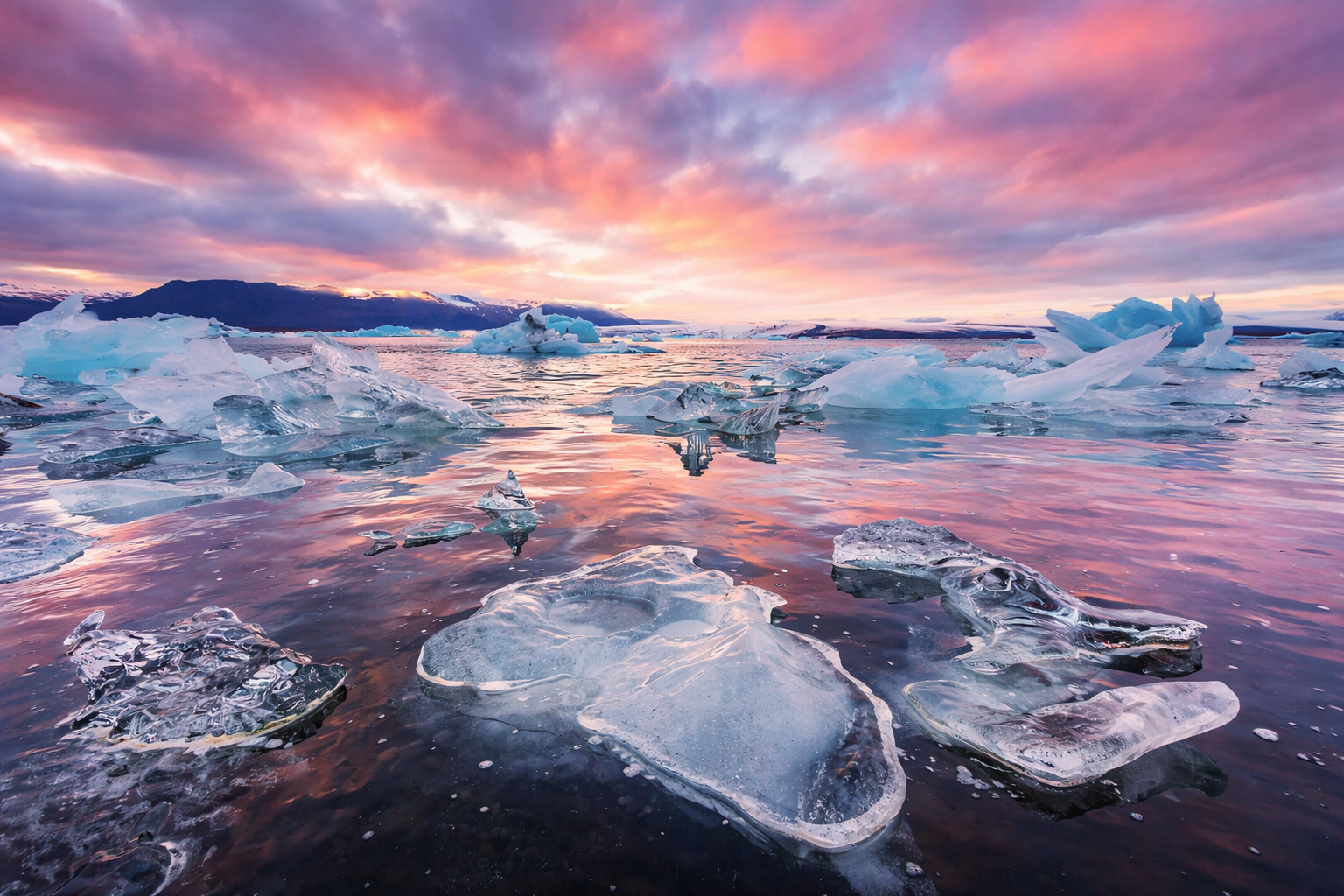
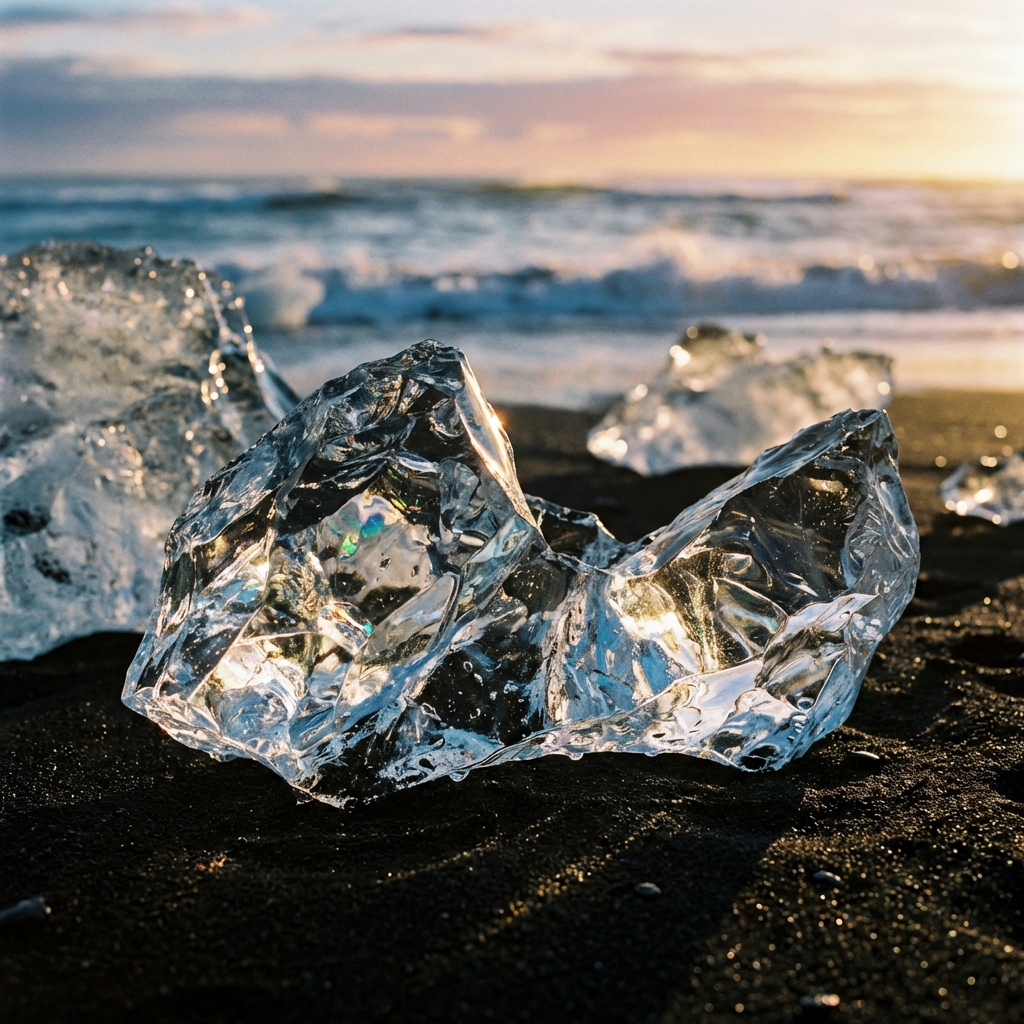
Pricing Guide →Visit the jokulsarlon glacier lagoon and diamond beach to see icebergs glistening on black volcanic sand.
Explore Diamond Beach →Planning your trip? The jokulsarlon glacier lagoon best time to visit depends on whether you want the Midnight Sun or the Northern Lights.
From the summer boat tours to the winter ice caves, every season offers a unique perspective on the lagoon's ever-changing landscape.
Season guide →Yes, without question. While winter brings northern lights and ice caves, summer offers something equally spectacular: the lagoon at its most alive and accessible.
Boat tours operate from May through October, wildlife is at its most active, and up to 20 hours of daylight give you total flexibility in when you visit. For first-time visitors, summer is arguably the ideal season.
Our summer guide covers what to expect, when to go, what to wear, boat tour options, wildlife highlights, Diamond Beach, and how to plan the stop as part of a South Coast road trip.
Read the full summer guide →The highest-rated full-day South Coast experience — covering Seljalandsfoss waterfall, the village of Vík, views of Eyjafjallajökull, the glacier lagoon, and Diamond Beach in a single trip. Optional boat cruise available April to October.
Real stories from travelers who have witnessed the magic of the glacier lagoon.
"The boat tour was very personalised with a group of only four people. We had plenty of time for exploration and photography without feeling rushed. Truly a once-in-a-lifetime journey."
"Walking on crampons was perfect for beginners—no skills necessary as the guide was expert. We felt like we had the ice caves entirely to ourselves. Simply breathtaking blue ice!"
"Exhilarating journey in a modified 4x4. The guide's knowledge of the local glacial movements was impressive, and safety felt like the top priority throughout the entire tour."
Everything you need to know about planning a visit to Jökulsárlón Glacier Lagoon.
The best time to visit depends on what you want to experience. Summer from May to September offers easier access, boat tours, more icebergs floating in the lagoon, and very long daylight hours. Winter from October to April brings fewer crowds, more dramatic icy scenery, and a chance to see the Northern Lights.
For most travelers, June through August gives the best overall first visit, while winter is especially strong for photography and a quieter atmosphere.
Both seasons are excellent, but they offer very different experiences. Summer is better for accessibility, active wildlife, boat tours, kayaking, and a lagoon full of moving ice. Winter is better for atmosphere, fewer visitors, and the possibility of aurora viewing.
Choose summer for activities and convenience, or winter for mood and photography.
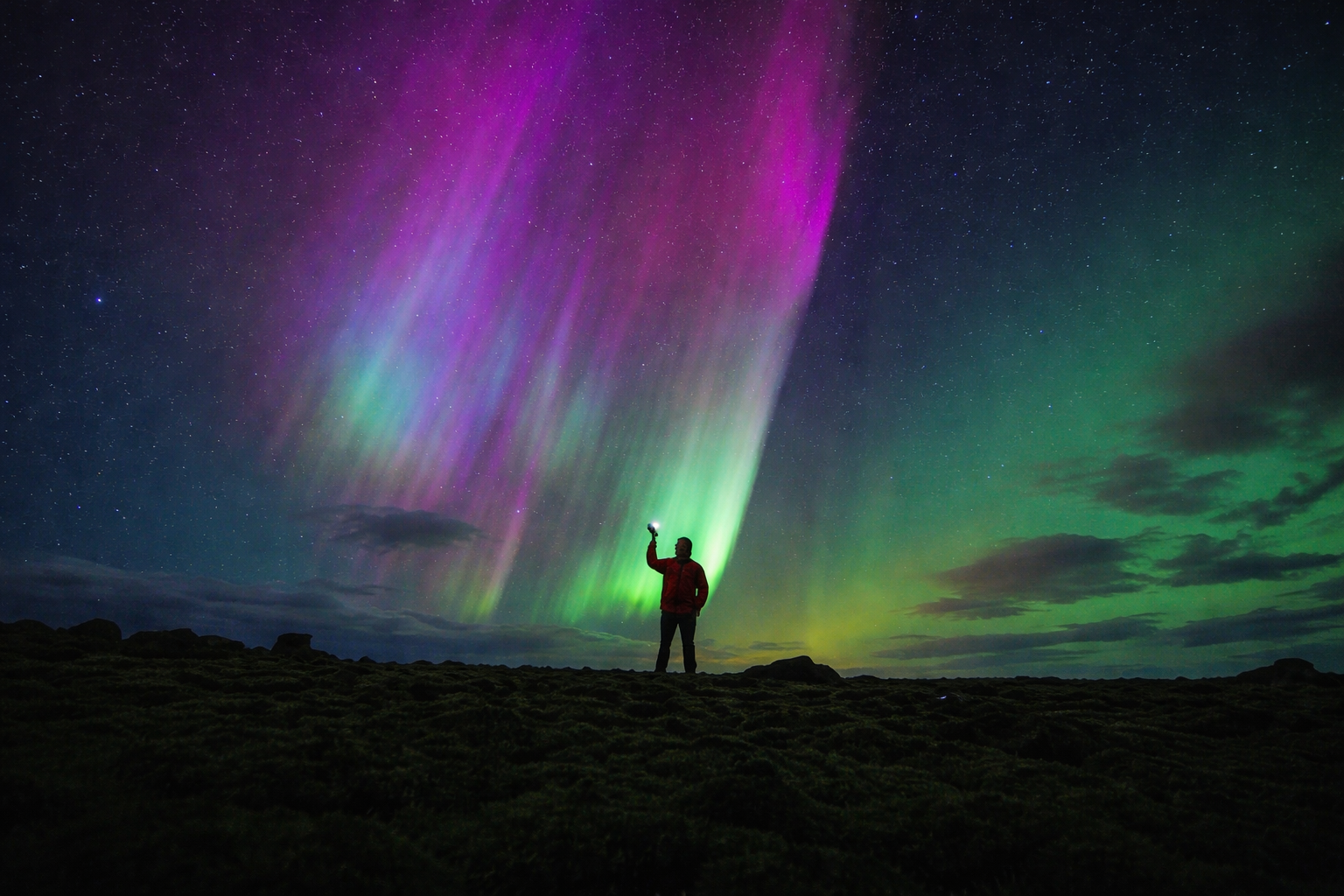
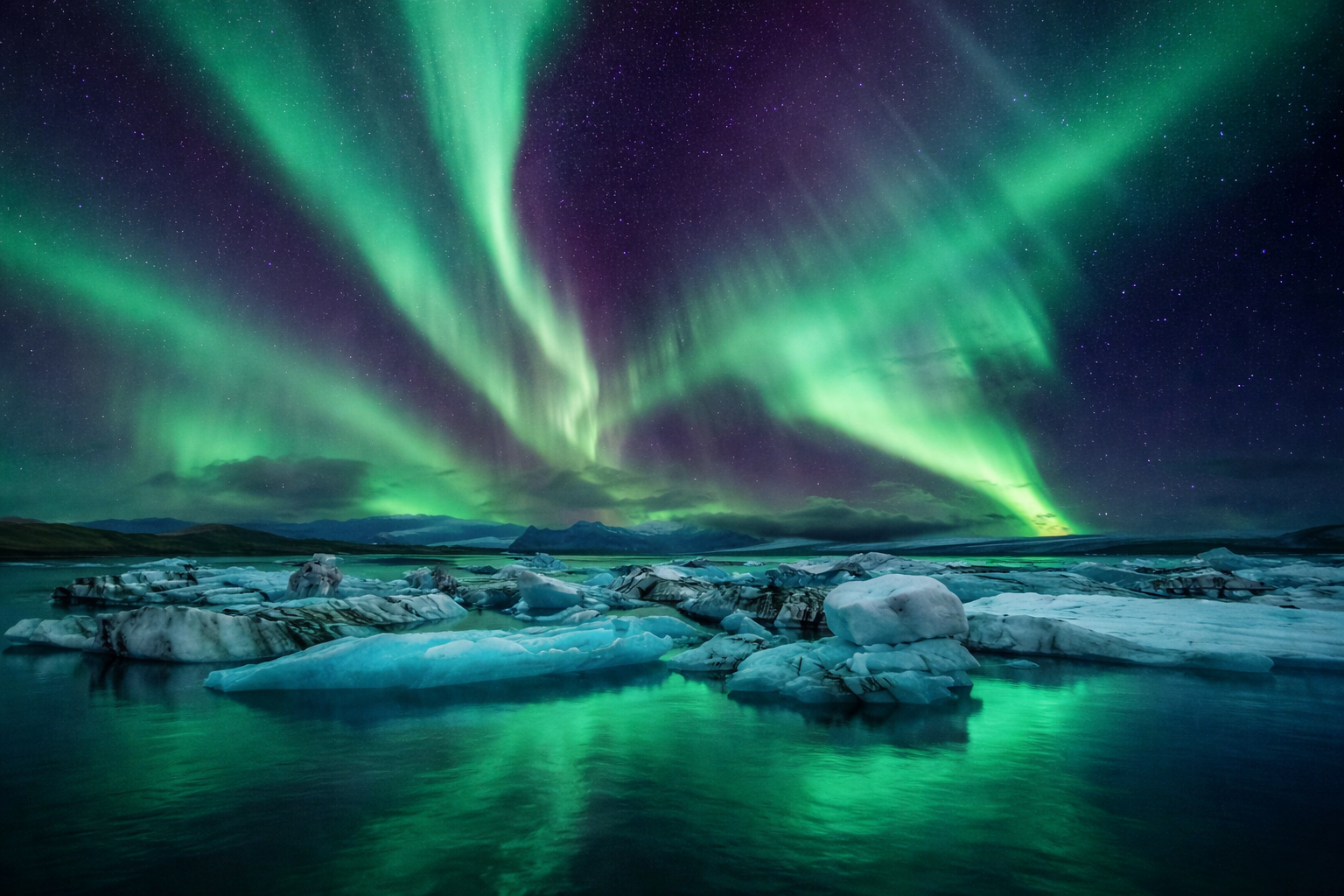
Yes. Jökulsárlón is one of the best places in Iceland to see the Northern Lights, especially from September to March. The combination of dark skies, reflective icebergs, and very low light pollution makes it a standout aurora location.
The main options are amphibian boat tours, zodiac boat tours, and kayaking tours. Amphibian boats are larger and more family-friendly. Zodiacs are smaller, faster, and get closer to the icebergs. Kayaking is the most adventurous option and is guided only.
If getting close to the glacier ice is your priority, zodiac tours are usually the best overall experience.
Yes, for most visitors it is worth it. The boat tour lets you get much closer to the icebergs, understand the lagoon better through guide commentary, and appreciate the scale of the glacier landscape from the water.
If you are short on time or budget, the lagoon is still impressive from shore, but the boat tour adds a distinctly different perspective.
Zodiac boats run with smaller groups, move faster, and give a more immersive experience closer to the icebergs, but they are usually more expensive. Amphibian boats are larger, slower, more stable, and more budget-friendly.
Choose zodiac for a premium, closer-access experience and amphibian for comfort and value.
Yes, especially in summer. During peak season from June to August, popular tours often sell out days in advance. Even in shoulder season and winter, booking ahead is still the safer choice if you want a specific time slot.
As a practical rule, try to book at least one to three days ahead.
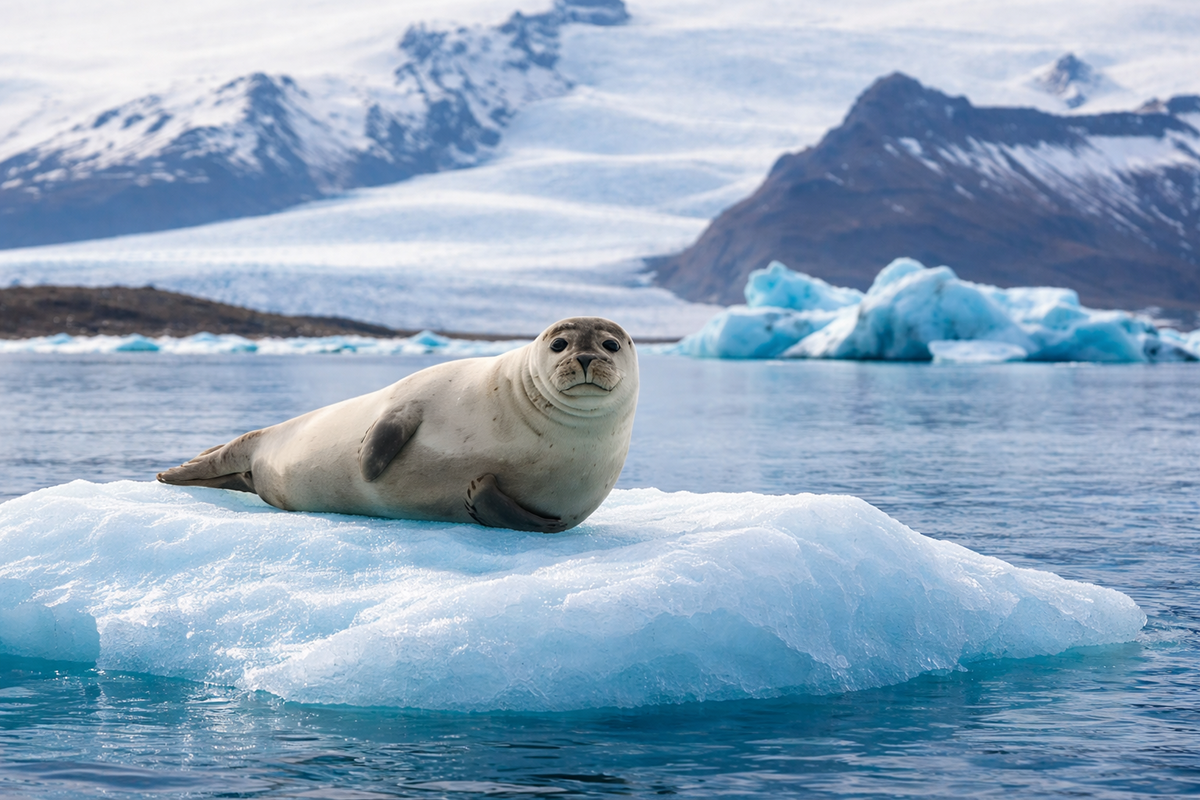
Yes. Jökulsárlón is one of the best photography locations in Iceland. You can capture floating blue icebergs, seals in the lagoon, reflections on calm water, and nearby Diamond Beach with ice scattered across black sand.
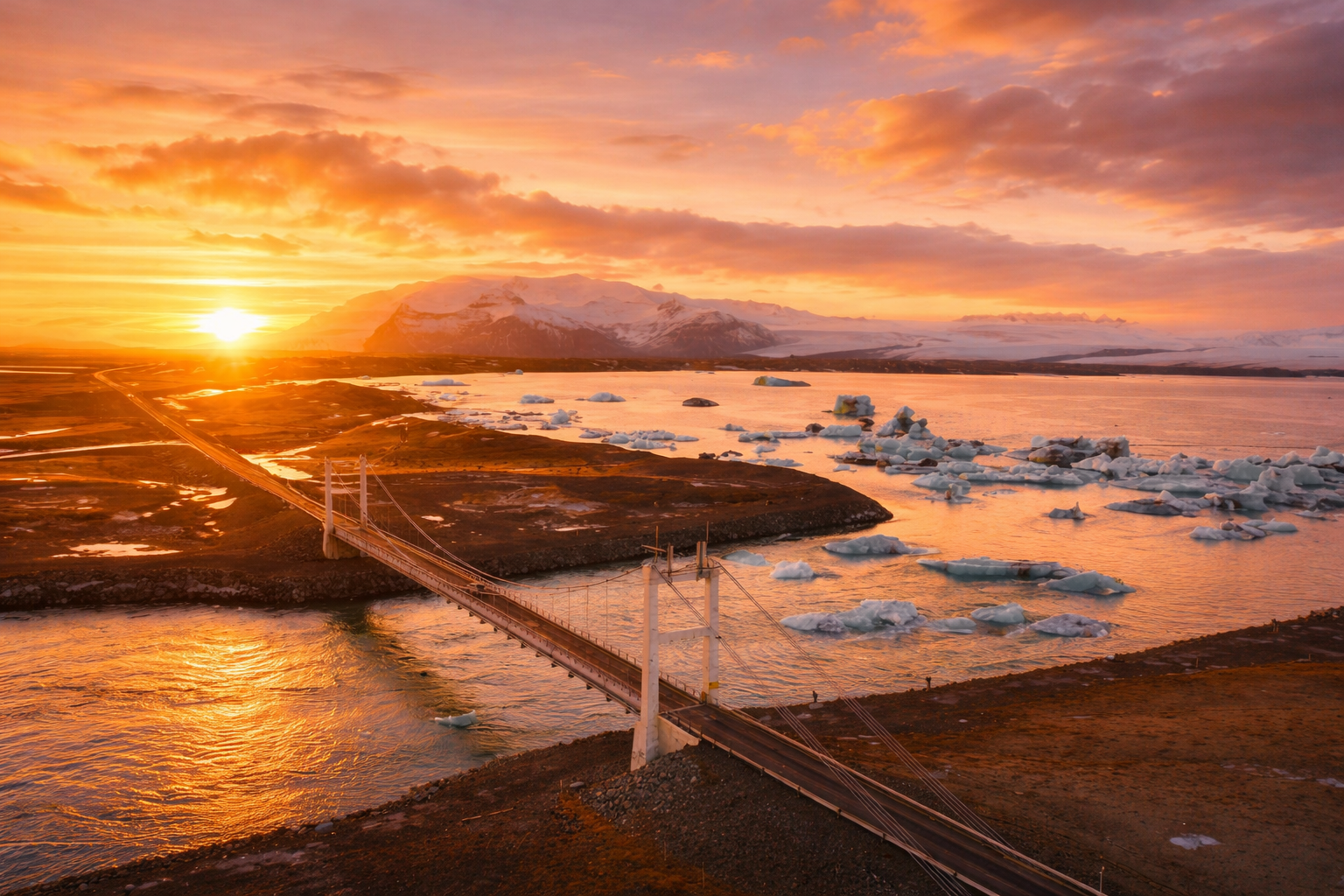
Early morning is usually the best balance of soft light and lower crowds. Sunrise can be especially good, while golden hour and sunset also work well because warm light contrasts beautifully with the blue ice and often creates stronger reflections.
Diamond Beach sits directly across the road from Jökulsárlón. It is known for ice chunks that wash ashore on black sand, creating one of the most striking visual contrasts in Iceland.
Yes, it is absolutely worth visiting and many travelers consider it just as memorable as the lagoon itself.
Yes, but you should be cautious. Stay back from the water's edge, avoid unstable ice, and follow marked paths and local guidance.
Icebergs can shift suddenly, so never climb on them.
No. Swimming is extremely dangerous and not allowed. The water is near freezing, deep, unpredictable, and filled with moving ice.
Entering the lagoon can cause immediate hypothermia.
It often feels colder than visitors expect because of glacier winds and the ice itself. Typical summer temperatures are around 5 to 12 degrees Celsius, while winter is often below freezing.
Layers, a windproof jacket, and gloves are a good idea even in summer.
It depends on your travel style. Jökulsárlón is larger, more famous, has more icebergs, and offers more tours and facilities, but it can also feel busier. Fjallsárlón is smaller, quieter, closer to the glacier front, and usually has fewer tourists.
Choose Jökulsárlón for variety and iconic views, or Fjallsárlón for a more intimate experience.
Yes. It is one of Iceland's most distinctive natural attractions, but it is also about five hours from Reykjavík each way, so it deserves at least half a day if you can give it that.
If your itinerary is tight, a guided day tour or a shorter South Coast alternative may be more practical.
Deep-dive articles to help you plan the perfect Jökulsárlón adventure.
From boat tours and floating icebergs to Diamond Beach at midnight, this practical guide covers how to visit Iceland's glacier lagoon in summer.
Read Article
Learn when to go, where to park, how to stay safe, and how to pair Diamond Beach with Jökulsárlón.
Read Article
Find the best months, forecast tips, and trip-planning advice for an aurora trip built around Jökulsárlón.
Read Article
The fascinating geological story behind Iceland's most stunning natural wonder.
Read Article
Capture stunning shots with our insider guide to the lagoon's most photogenic locations.
Read Article
Meet the curious residents who call the glacier lagoon home year-round.
Read Article
A detailed comparison to help you pick the perfect on-water experience.
Read Article
Everything you need to know about paddling through glacier ice.
Read Article
See why summer is one of the best times to visit, from boat tours and seals to midnight light.
Read Article