Meet the curious residents who call Iceland's crown jewel home year-round
More Than a Pretty View — A Thriving Jökulsárlón Ecosystem
Most visitors come to the Jokulsarlon glacier lagoon for the icebergs. But one of
the greatest surprises waiting at the shore? The place is absolutely alive.
Jökulsárlón is far more than a scenic landmark. It's a dynamic 18-square-kilometre basin — reaching
depths of up to 284 metres — where cold glacial meltwater meets warm Atlantic tides. That tidal
exchange in jökulsárlón does something remarkable: it prevents the lagoon from
freezing solid
and delivers a steady
supply of nutrient-rich seawater, pulling in schools of herring and capelin. The result is one of
Iceland's most important feeding stations, where marine mammals, migratory seabirds, and fish
converge in a single, interconnected ecosystem.
In other words, the jokulsarlon animals and birds you'll spot here aren't just
passing through. They depend on this place — and knowing a bit about them makes the entire visit
richer.
Did You Know?
The lagoon only formed around 1935 as the Breiðamerkurjökull glacier began retreating. In
geological terms, this ecosystem is less than a century old — yet it already supports an
impressively complex food web.
The Sentinels of the Ice: Harbor and Grey Seals at Jökulsárlón
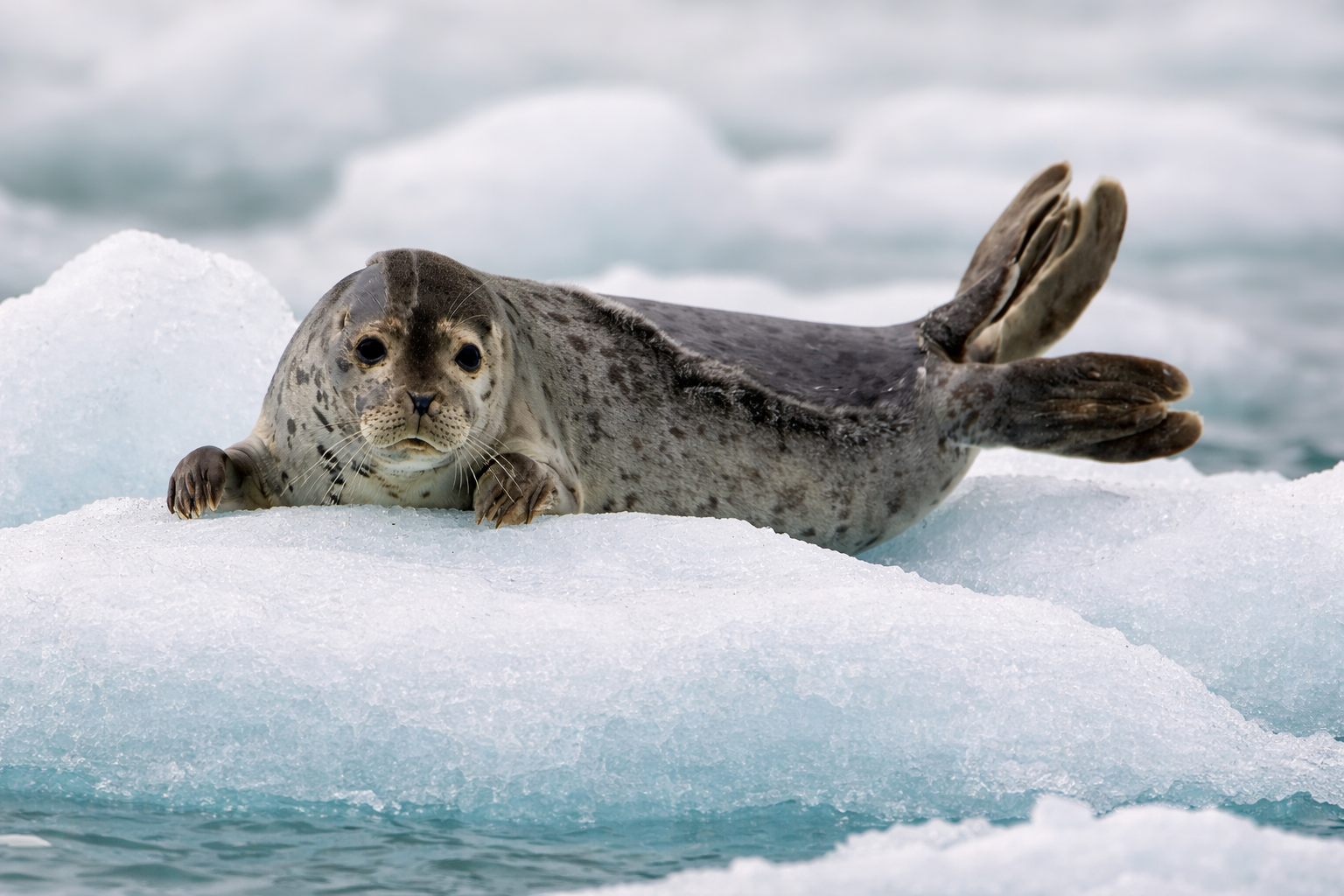
The stars of the show are undeniably the seals. For the jokulsarlon animals and
birds you'll encounter, the seals are usually the first to greet you — often popping
their rounded heads above the surface to give visitors a long, curious stare.
The jökulsárlón iceberg lagoon works as a natural sanctuary. Out in the open
Atlantic, seals face
orcas and other apex
predators. Inside the lagoon, the floating icebergs serve a very practical purpose beyond their
beauty: they're safe resting platforms, inaccessible to the Arctic fox, which can't swim effectively
through the frigid, current-heavy water. Hauling out on an iceberg allows the seals to rest,
thermoregulate, and nurse their pups far from land-based threats.
Two Species, Two Personalities
Both Harbor seals and Grey seals share the lagoon, but they occupy slightly different roles:
Trait
Harbor Seal
Grey Seal
How to spot them
Smaller, with a round face and "V"-shaped nostrils; sleek, spotted coat
Larger and more robust; long, dog-like snout with parallel nostrils
Favourite hangout
Ice floes near the glacier face
Quieter, rocky coves near the shoreline
Signature move
"Spy-hopping" — popping upright in the water to check you out
Powerful swimmers; more likely to venture out to the open sea to hunt
Resting strategy
Hauling out on icebergs to avoid terrestrial predators
Preferring isolated sandbanks or remote rocks
Watching Tip
Harbor seals are the curious ones. If you sit quietly near the shoreline, they may "spy-hop"
within a few metres of you — rising vertically out of the water for a better look. It's one of
the most magical wildlife encounters in Iceland, and patience is the only equipment you need.
The Aviary of the Arctic: Jökulsárlón's Key Bird Species
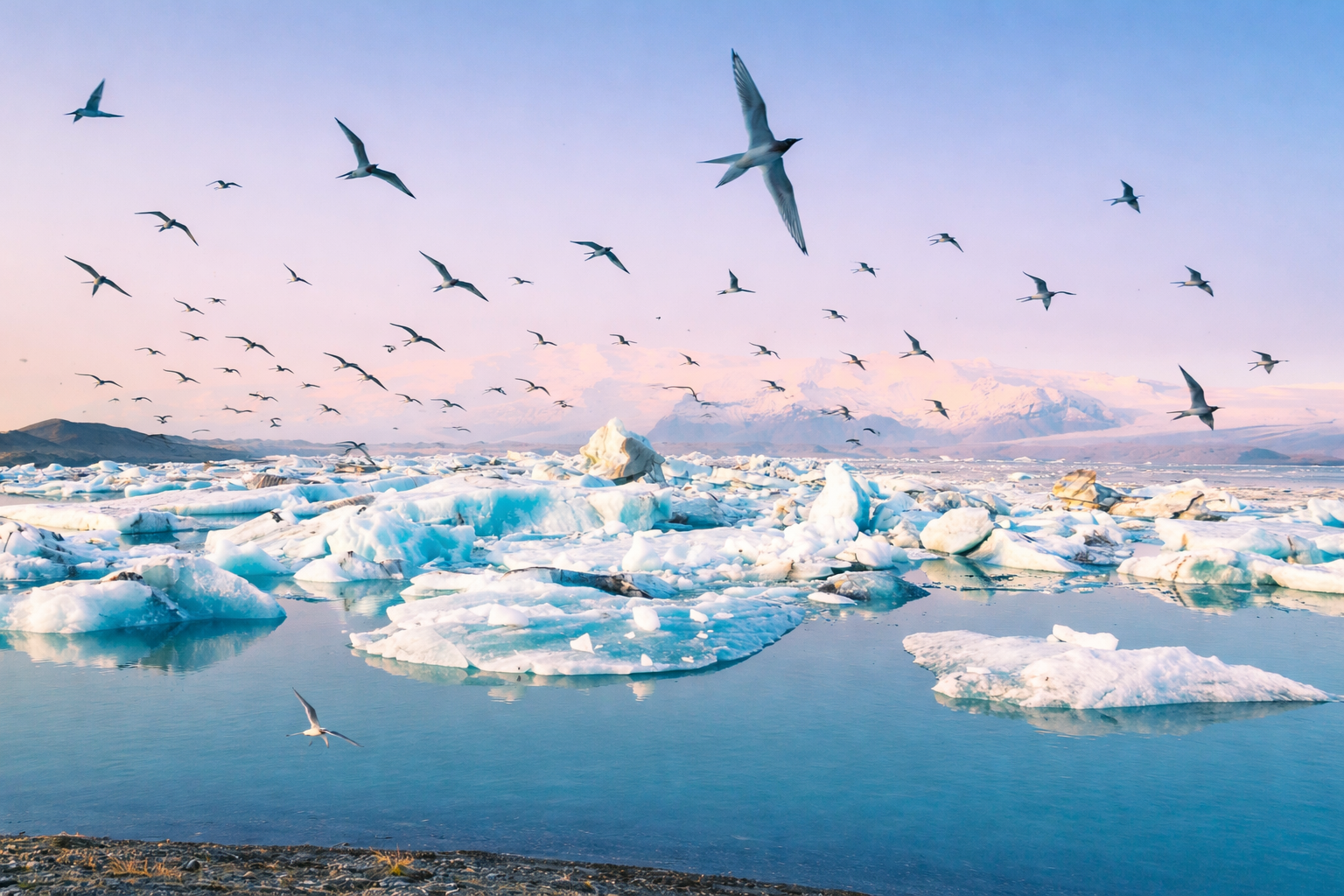
The glacier lagoon jökulsárlón is a birder's paradise during the breeding months.
The constant supply of nutrient-dense fish — herring and capelin especially — fuels one of Iceland's
most active avian feeding and nesting grounds.
Arctic Tern — The World's Greatest Traveller
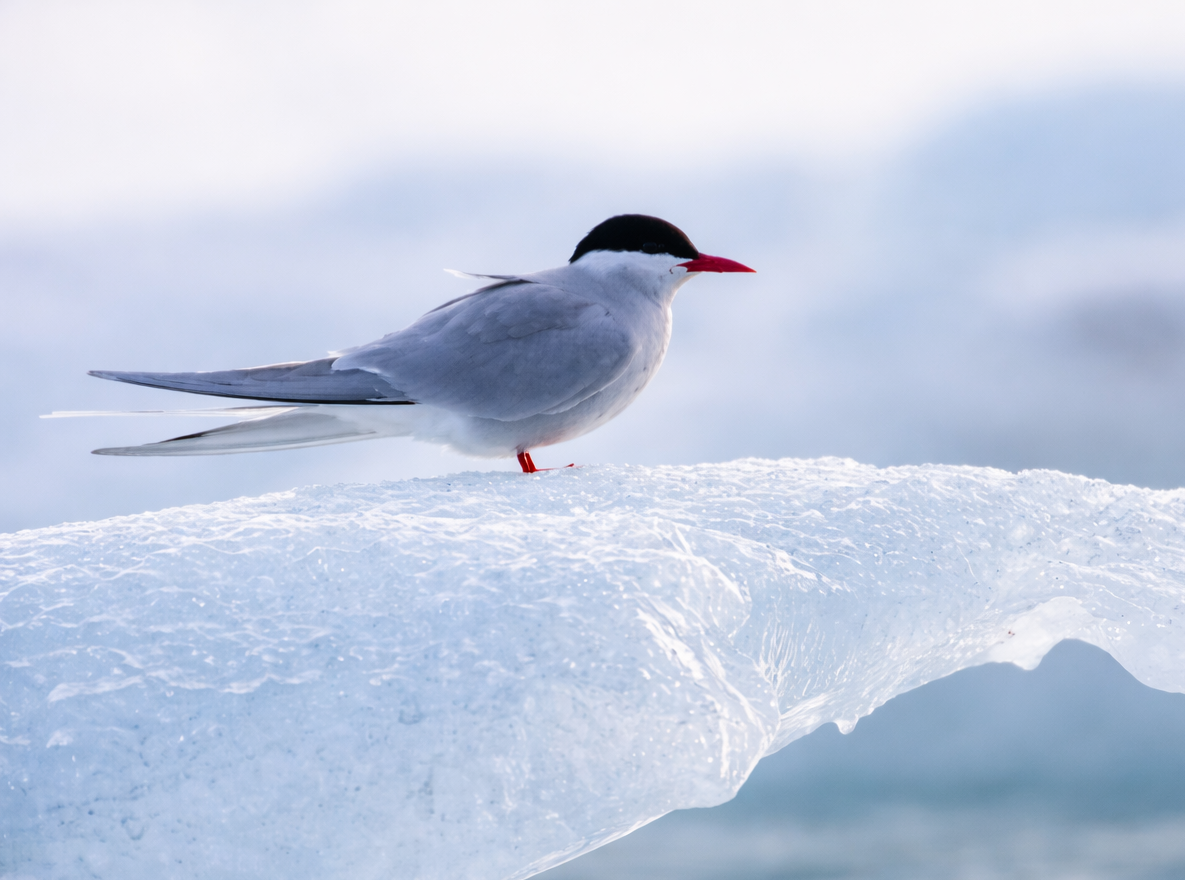
The Arctic Tern is a marvel of endurance. These small, elegant birds undertake an 80,000
km
annual migration — a distance equivalent to travelling to the moon and back three
times
over their lifespan. At Jökulsárlón, they nest on the flat ground near the lagoon. Fair warning:
if
you wander too close to their nesting area, they'll announce their displeasure by dive-bombing
your
head. It's not personal — it's evolution at work.
Great Skua — The Lagoon's Apex Opportunist
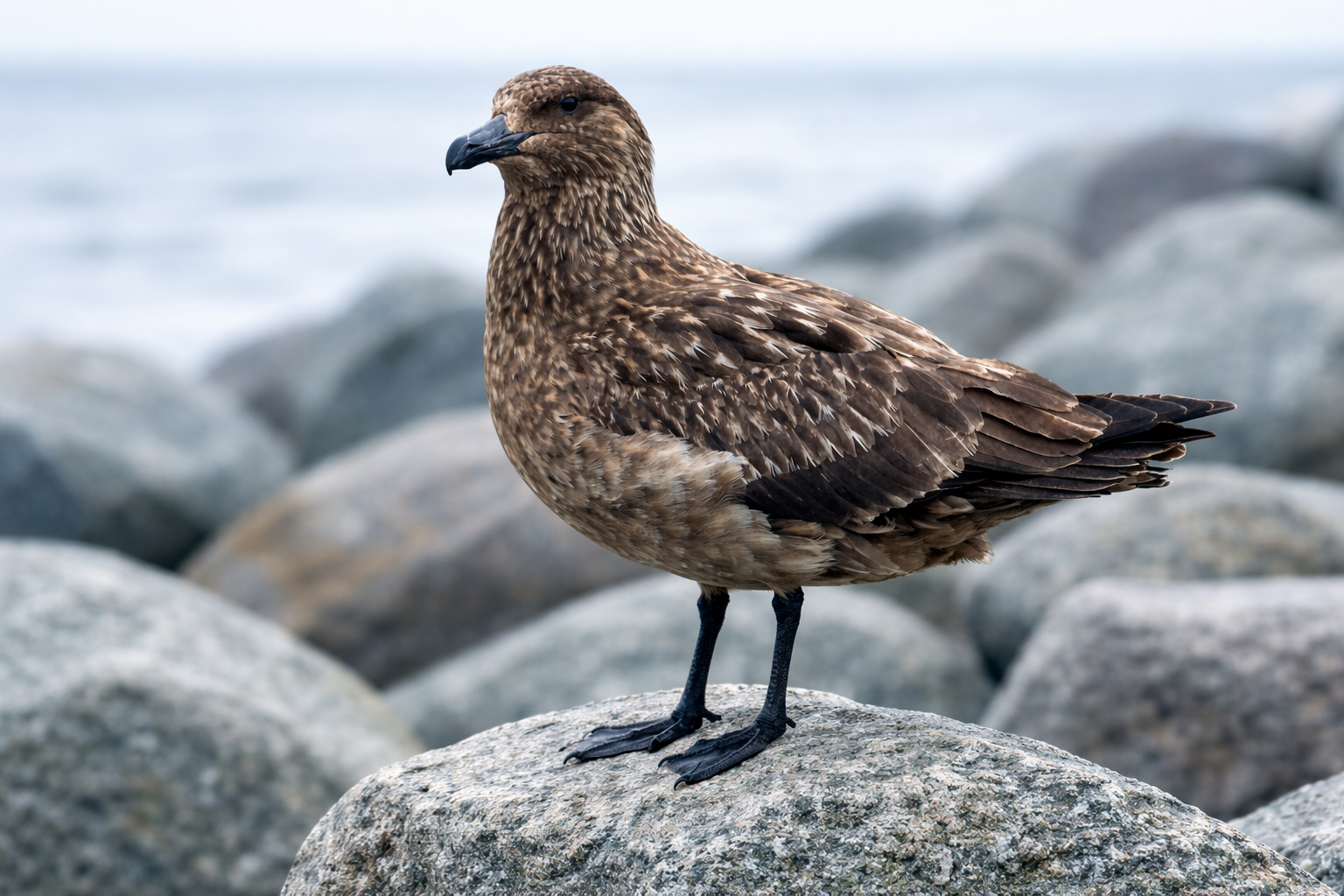
With a wingspan exceeding 120 cm, the Great Skua is the undisputed bully of the local avian
hierarchy. These powerful birds are masters of kleptoparasitism — they harass
other
seabirds until they drop their catch, then swoop in and steal the meal. While not the prettiest
strategy, it's brutally effective.
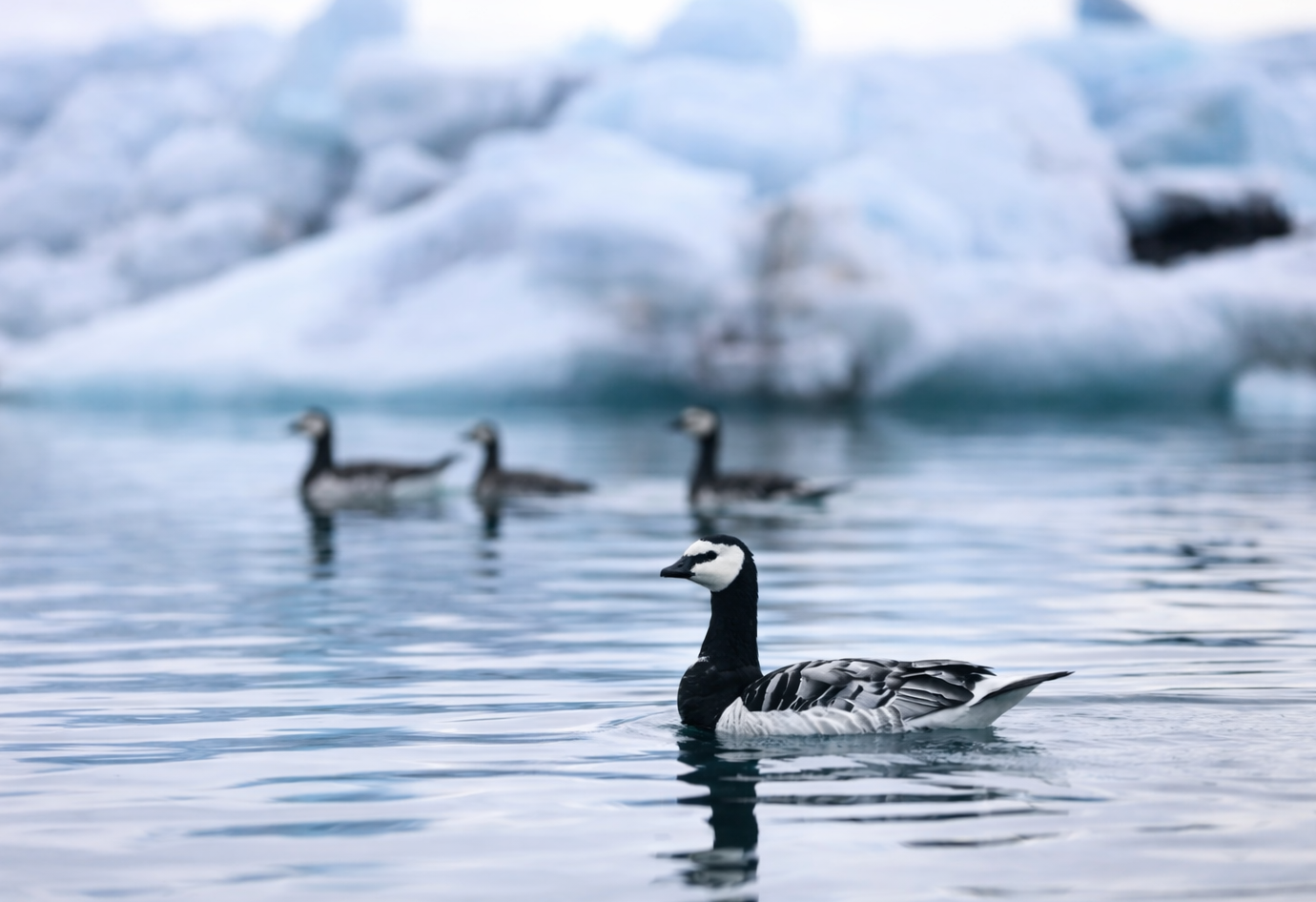
Barnacle Goose — An Icelandic Success Story
The expansion of the Barnacle Goose at Jökulsárlón is a conservation bright spot. They favour
"Skua
Island," a colony surrounded by deep water that deters foxes. By 2019, researchers documented
over 1,000 active nests on Skua Island alone — a remarkable population boom.
More Jokulsarlon Animals and Birds You Might Spot
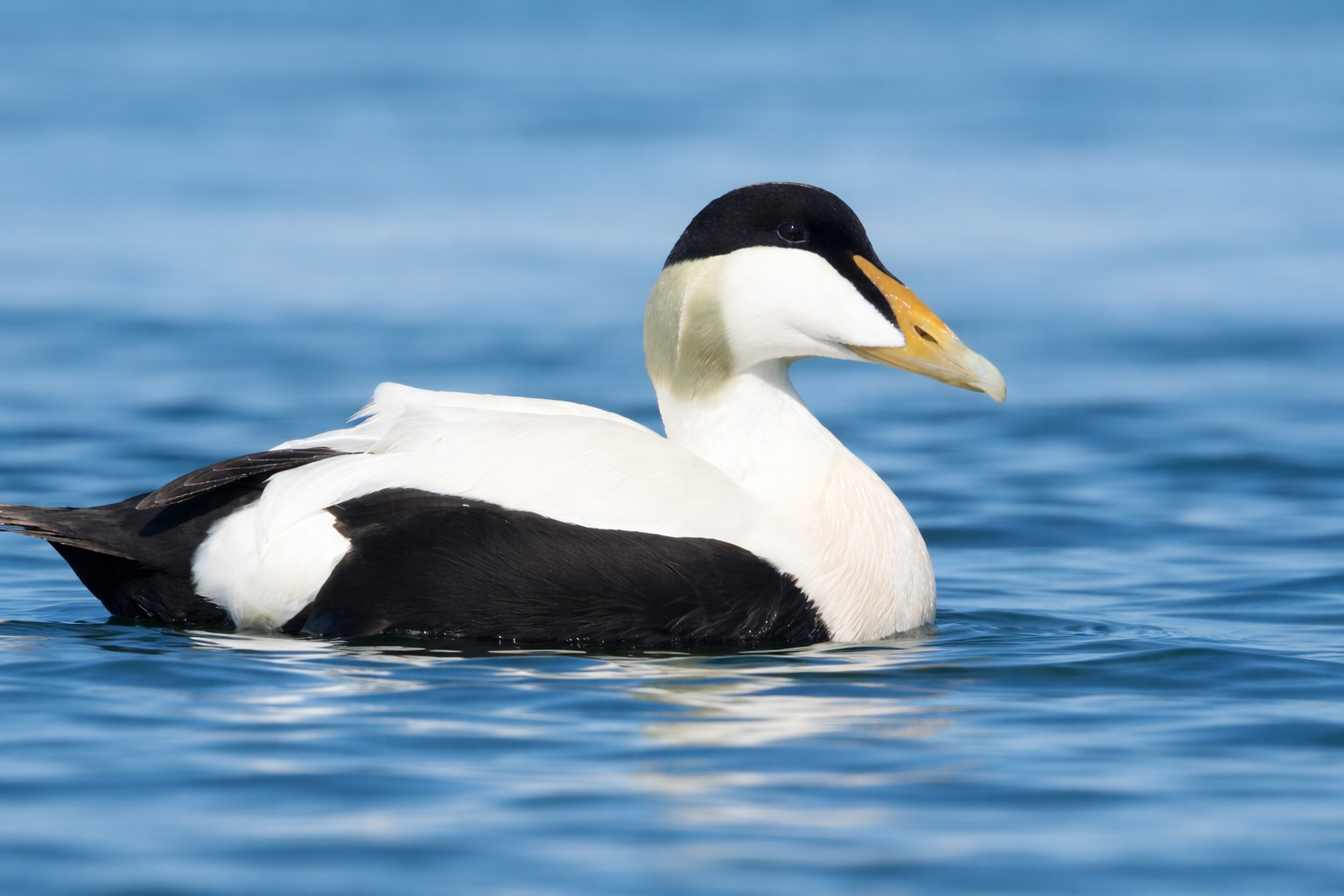
Common Eider
Breeds in high densities along the vegetated shoreline. Look for the distinctive
black-and-white males and their soft, warm down feathers.
Northern Fulmar
Master gliders typically observed soaring over open water and perching on the higher,
more
stable icebergs.
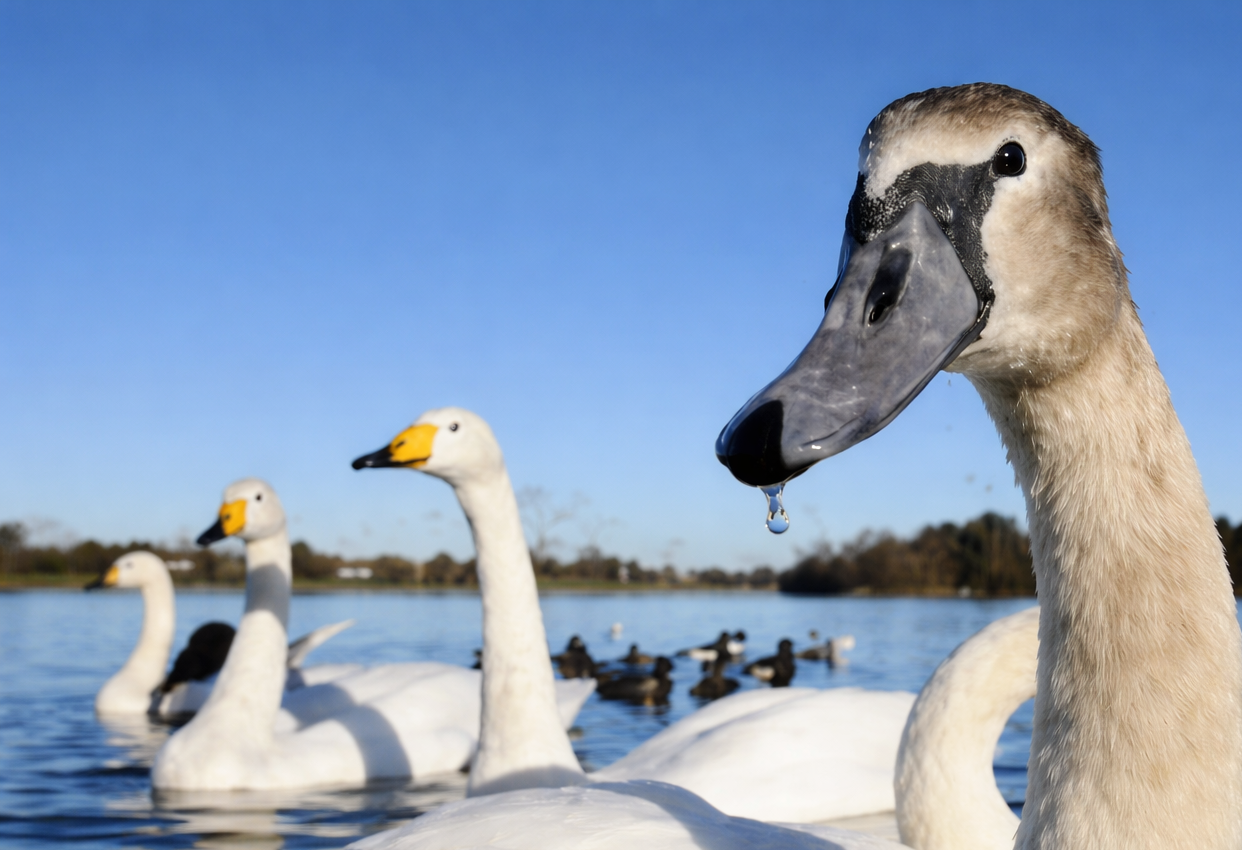
Whooper Swan
Often congregates in the calmer, shallower sections of the lagoon where ice movement is
minimal.
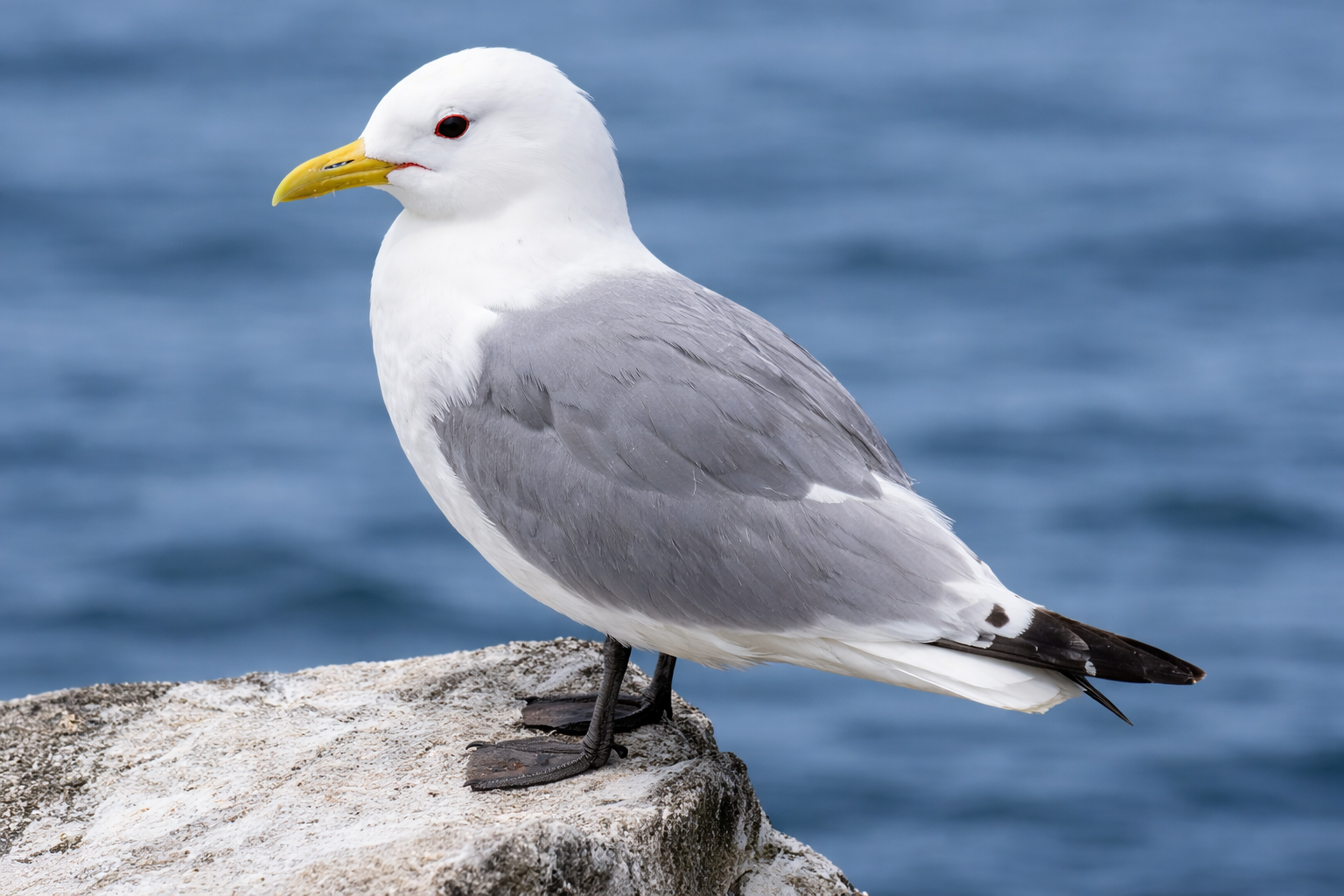
Kittiwake
Frequently found perching on icebergs near the outlet or nesting in surrounding cliffs,
following the tides for surface-level feeding.
Beneath the Surface: Fish, Whales, and Rare Sightings
There's an "invisible foundation" supporting all the wildlife you can see at
jokulsarlon. Beneath
the surface, the Jökulsá river — despite being less than 1 km
long — acts as a high-traffic corridor for Atlantic salmon and trout. These fish are the primary
energy source for the lagoon's seals and birds.
Beyond the shoreline, the Atlantic outlet presents opportunities for rare, high-impact sightings.
Humpback whales are occasionally spotted near the coast, drawn by the same capelin
schools that feed the birds. Even more thrilling — orcas are known to patrol the
waters of southeast Iceland. Their presence near the lagoon's mouth often triggers a visible change
in seal behaviour: the seals retreat further inland, clustering among the protective ice.
A Living Food Chain in Action
Warm Atlantic tides bring nutrients → nutrients feed plankton → plankton sustains herring and
capelin → fish feed the seals and birds → orcas follow the seals. Stand at the lagoon shore and
you're watching an entire marine food web unfold in real time at the jokulsarlon glacier
lagoon.
When to Watch: Seasonal Wildlife at the Jokulsarlon Glacier Lagoon
Strategic timing makes a real difference when visiting the jokulsarlon glacier lagoon
iceland.
The ecosystem shifts dramatically between the 21-hour
Midnight Sun of summer and the deep cold of winter. Here's what to expect in each season:
Season
What to Look For
Viewing Potential
Summer (June–August)
Peak avian nesting; July is the primary pupping season for Harbor seals; Arctic
Terns dive-bombing everywhere
High — peak biological activity; full access for boat tours
Winter (Nov–March)
Seals hauled out on ice; orcas occasionally offshore; quiet, dramatic atmosphere
Medium — fewer species, but resilient winter-resident seals and the drama of the Northern Lights
Shoulder (Sept–Oct / Apr–May)
Migratory arrivals and departures; transitional "pastel palette" light
Moderate — fewer crowds; ideal soft light for photography
Best Bet for Wildlife
July is the golden month. Seal pups are hauled out on icebergs, Arctic Terns are
nesting, and the long daylight hours give you maximum viewing time. Bring a telephoto lens and
patience.
Where to Watch: Best Viewing Spots for Jökulsárlón Animals and Birds
The specific vantage point you choose can make or break your wildlife experience. Here are the three
zones that consistently deliver the best sightings at the jokulsarlon lagoon:
The Lagoon Shoreline
Best for wide-angle compositions of icebergs with hauled-out seals in the foreground. Walk slowly
and listen — you might catch the distinct "popping" sound of ancient air bubbles escaping the
ice. That's the glacier breathing.
The Outflow Channel (Ring Road Bridge)
This is the high-energy zone where seals wait for the incoming tide to deliver fish, and Arctic
Terns perform precision dives into the rushing water. It's the best spot for action shots.
Diamond Beach (Fellsfjara)
Where the glacial outwash plain meets the Atlantic at jokulsarlon iceland. Seals
occasionally
haul out on the black sand
here, creating a striking contrast against the crystal-clear ice. Visit at low tide for the best
chances.
Photography Quick Reference
A telephoto lens (70–200mm or 100–400mm) is essential. Beyond keeping a safe distance from the
animals, these lenses let you "stack" the textures of icebergs and wildlife, creating intimate,
layered frames.
Subject
Aperture
ISO
Shutter Speed
Fast-Moving Terns
f/5.6
400+
1/1000+ sec
Resting Seals
f/8
100–200
1/500+ sec
Waves on Diamond Beach
f/11+
100
1.0–2.0 sec
Splashing Against Ice
f/8
200
1/25–1/50 sec
Responsible Wildlife Watching at the Jokulsarlon Glacier Lagoon
In the Arctic, human interference is more than a nuisance — it can disrupt critical energy
conservation and nursing behaviours. Mindful tourism is the only sustainable path for preserving
what makes this glacier lagoon iceland so special.
Critical Rules for Every Visitor
100-metre distance: Always maintain at least 100 metres (330 feet) from
seals. If an animal starts looking at you repeatedly or shifts position, you're too close —
back away slowly.
No iceberg climbing: Icebergs are inherently unstable and can flip without
warning. The water is 0–3°C — falling in means fatal hypothermia within minutes.
"Sneaker wave" awareness: On Diamond Beach, never turn your back to the
ocean. Rogue waves can surge much further inland than the average tide line.
No drones: Drones are prohibited to protect avian nesting sites and the
integrity of Vatnajökull National Park. Use your lens zoom instead.
Leave No Trace
Jökulsárlón is an evolving, temporary treasure. The glacier is still retreating, the lagoon is
still growing, and the wildlife is still adapting. Our role is to observe its resilience without
leaving a footprint on its future.
Frequently Asked Questions About Jökulsárlón Wildlife
The most commonly sighted jokulsarlon animals and birds include Harbor seals, Grey seals,
Arctic Terns, Great Skuas, Barnacle Geese, Common Eiders, Northern Fulmars, Whooper
Swans, and Kittiwakes. Beneath the surface, Atlantic salmon and trout use the short
Jökulsá river as a feeding corridor. On rare occasions, humpback whales and orcas are
spotted near the lagoon's Atlantic outlet.
Icebergs serve as safe resting platforms that are inaccessible to the Arctic fox, which
cannot swim effectively through the frigid, current-heavy water. Hauling out on the ice
allows seals to thermoregulate, rest, and nurse their pups without the risk of
land-based predators. It's a survival strategy — and it also happens to create some of
the most photogenic moments at the lagoon.
Harbor seals are smaller with round faces and "V"-shaped nostrils. They're the curious
ones — famous for "spy-hopping" (popping upright in the water to watch you). Grey seals
are larger and more robust, with a distinctive long, dog-like snout. They tend to be
stronger swimmers and are more likely to venture into the open sea to hunt.
Summer (June–August) is the peak season for wildlife, with July being the standout month:
Harbor seal pups are hauled out on icebergs, Arctic Terns are nesting and dive-bombing,
and the long daylight hours give maximum viewing time. Winter offers fewer species but
dramatic sightings of seals resting among the ice, and orcas occasionally patrolling
offshore.
You must maintain a minimum distance of 100 metres (330 feet) from all seals. If an
animal changes its behaviour — repeated looking, shifting position, or moving away —
you've already breached its safety perimeter and should back away slowly. A telephoto
lens (70–200mm or 100–400mm) will let you capture intimate shots without disturbing the
animals.
It's possible but not guaranteed. Humpback whales are occasionally spotted near the
coast, drawn by the capelin schools. Orcas are known to patrol the waters of southeast
Iceland, and their presence near the lagoon's mouth can visibly affect the seal
populations — the seals will retreat further inland among the protective ice clusters.
These are rare, high-impact sightings that make a visit extra memorable.
Puffins are not typically found directly at the Jökulsárlón lagoon itself. However, you
can see them at excellent nearby locations along Iceland's south coast. The Ingólfshöfði
Nature Reserve, situated between Skaftafell and Jökulsárlón, hosts large puffin colonies
during summer months (May–August). Another popular spot is Dyrhólaey near Vík, where
puffins nest on the dramatic coastal cliffs. Both locations are accessible via guided
tours and offer some of Iceland's best puffin viewing opportunities during breeding
season.
Ready to Meet the Residents?
There's nothing quite like watching a curious seal pop its head above the icy water and stare right
back at you. Get closer to the wildlife — and the ice — on a guided lagoon tour.