Aurora Borealis Guide

Northern Lights at Jökulsárlón

Experience the ultimate dance of light. Witness the Aurora Borealis reflecting off the ancient icebergs of the glacier lagoon.

Jökulsárlón is arguably the most dramatic location in Iceland to witness the Northern Lights. The lack of light pollution, combined with the way the aurora's green and purple hues reflect off the floating ice, creates a celestial display unlike anywhere else on Earth.

When to See the Northern Lights

September – April

This is the official aurora season. You need total darkness and clear skies. While they can be seen from late August, the core winter months (Nov-Feb) offer the longest nights.

Peak Hours

The lights typically appear between 9:00 PM and 2:00 AM, though they can flare up at any time of night if the geomagnetic activity is high.
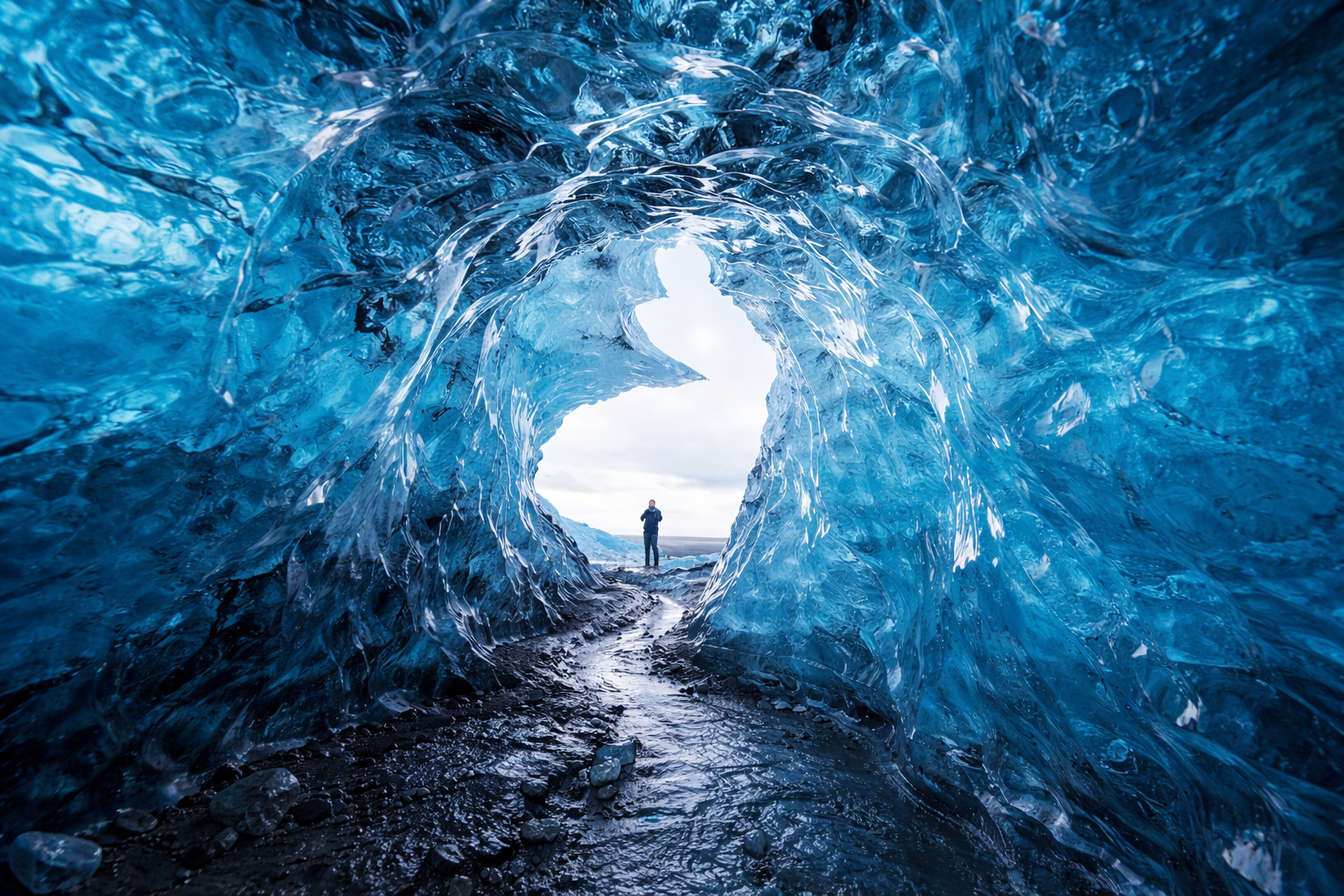
Photography Tips for Aurora over Ice

Northern lights reflecting on glacier ice

Use a Tripod

Long exposures (5-20 seconds) are mandatory. Even the slightest camera shake will ruin the clarity of the stars and ice.

Manual Focus

Autofocus fails in the dark. Set your lens to manual and focus on a distant star or a brightly lit iceberg.

Watch for Tides

If you're shooting at Diamond Beach, be extremely careful of "sneaker waves" while focused on your camera. Never turn your back on the ocean.

Expert Advice

Three Requirements for Success

  1. Darkness: Visit during the new moon or when the moon is low for the best contrast.
  2. Clear Skies: Clouds are the auroras' only enemy. Check the cloud cover forecast on vedur.is.
  3. Solar Activity: Look for a Kp-index of 3 or higher for a strong show at latitudes like Jökulsárlón.
Stay Warm

Planning a Winter Trip?

Combine your aurora hunting with a daytime ice cave tour for the ultimate Jökulsárlón winter adventure.

Explore Winter Tours